Agricultural Model Intercomparison and Improvement Project
The AgMIP Mission is to significantly improve agricultural models, and scientific and technological capabilities, for assessing impacts of climate variability and change and other driving forces on agriculture, food security, and poverty at local to global scales.
News
RELEASE OF TWO VISION FOR ADAPTED CROPS AND SOILS (VACS) REPORTS
March 14, 2024
The Rockefeller Foundation released two reports that build the evidence base for investing in underutilized indigenous and traditional crops as a means of strengthening food and nutrition security and climate resilience in Africa. In collaboration with AgMIP…
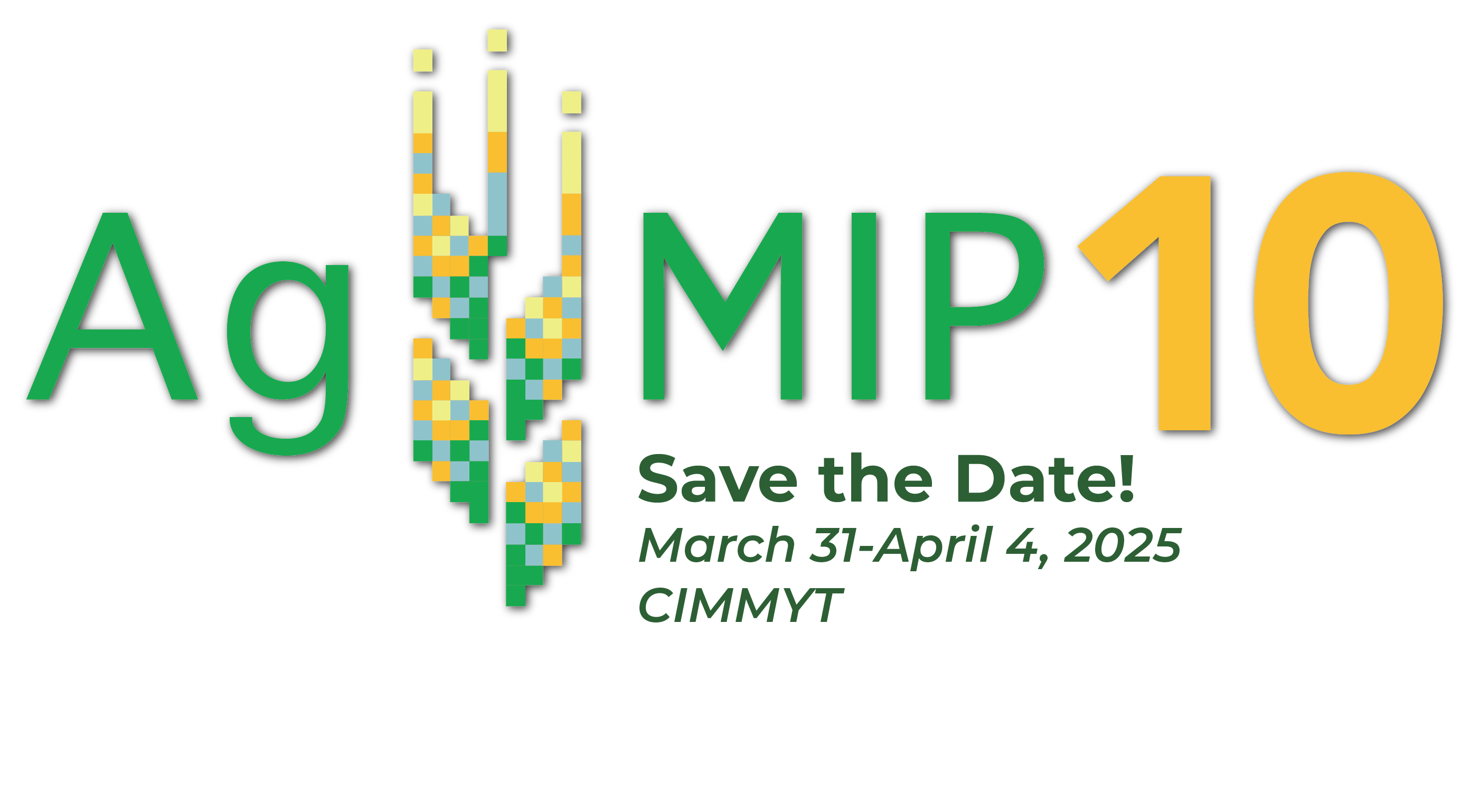
AgMIP10 – SAVE THE DATE
Jan 30, 2024
The AgMIP Coordination Unit is excited to announce that AgMIP10 will take place March 31-April 4, 2025 at the International Maize and Wheat Improvement Center (CIMMYT) in Mexico! In the past, AgMIP has hosted the international modeling community at nine Global Workshops in four different countries…
LAUNCH OF AgMIP-GGCMI ONLINE CROP DATA TOOL
Dec 19, 2023
AgMIP-GCCMI launched an interactive online yield data aggregator tool for maize, soybean, rice, and wheat relative yield changes under a broad set of climate scenarios as provided by AgMIP-GGCMI and the Intersectoral Impact Model Intercomparison (ISIMIP) project…
VIRTUAL LAUNCH OF AgMIP-MENA
March 15, 2023
AgMIP-MENA’s virtual launch event took place last month with partners ICARDA and Mohammed VI Polytechnic University and brought together experts from around the world. AgMIP-MENA examines the prospective repercussions of climate change, water scarcity, population growth, and land degradation on the agri-food system in the MENA region…
Blog
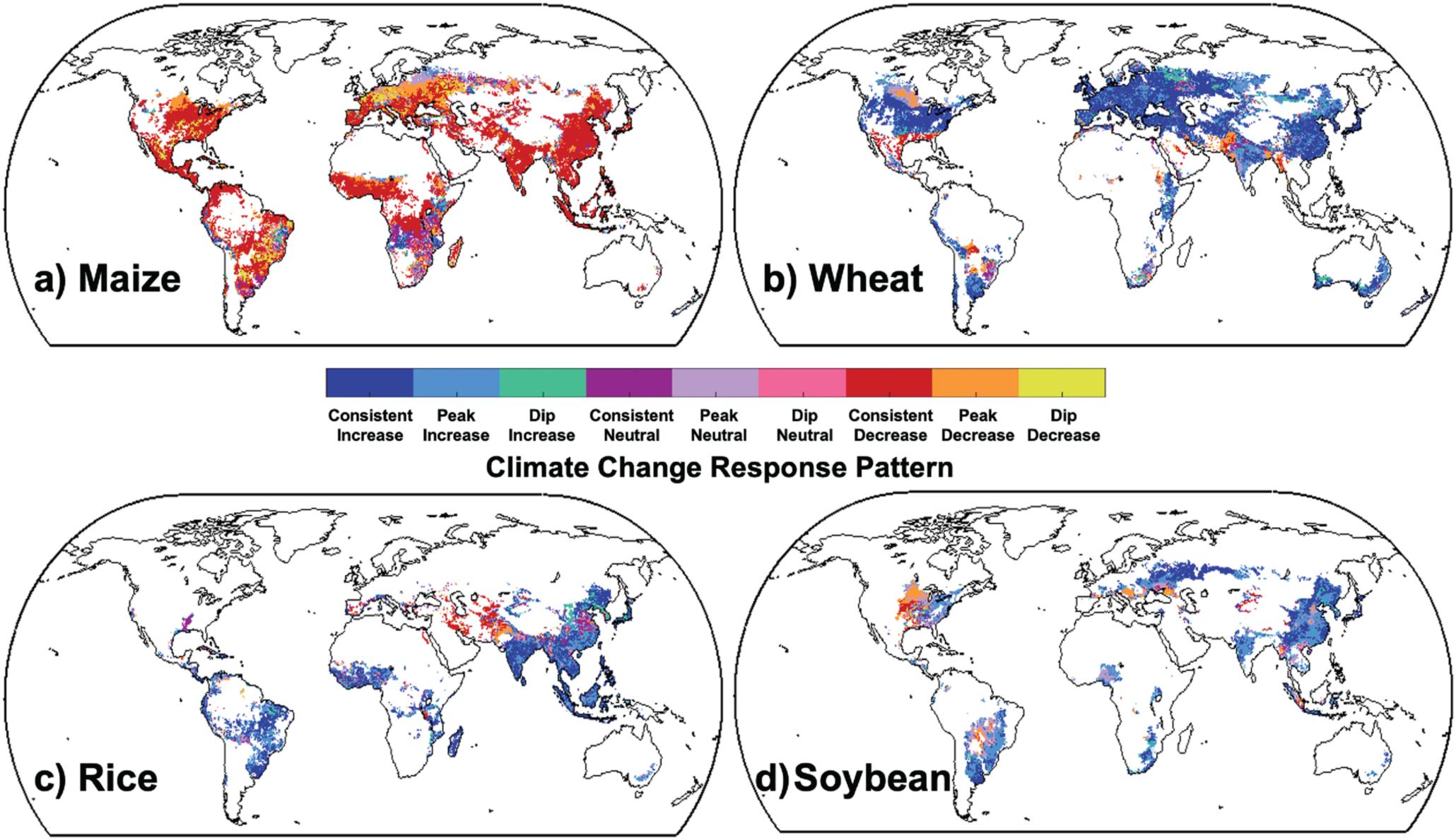
NEW AgMIP PAPER SHOWS HOW FARMERS MAY BE MISLED BY THEIR EARLY CLIMATE CHANGE EXPERIENCE
April 15, 2024
A new paper looks at the experience of farmers as their yields change in a warming world, finding distinctive patterns of change for each regional system. Published by AgMIP Climate Team leader Alex Ruane and colleagues from AgMIP GGCMI this study utilizes the projections of climate change impacts…
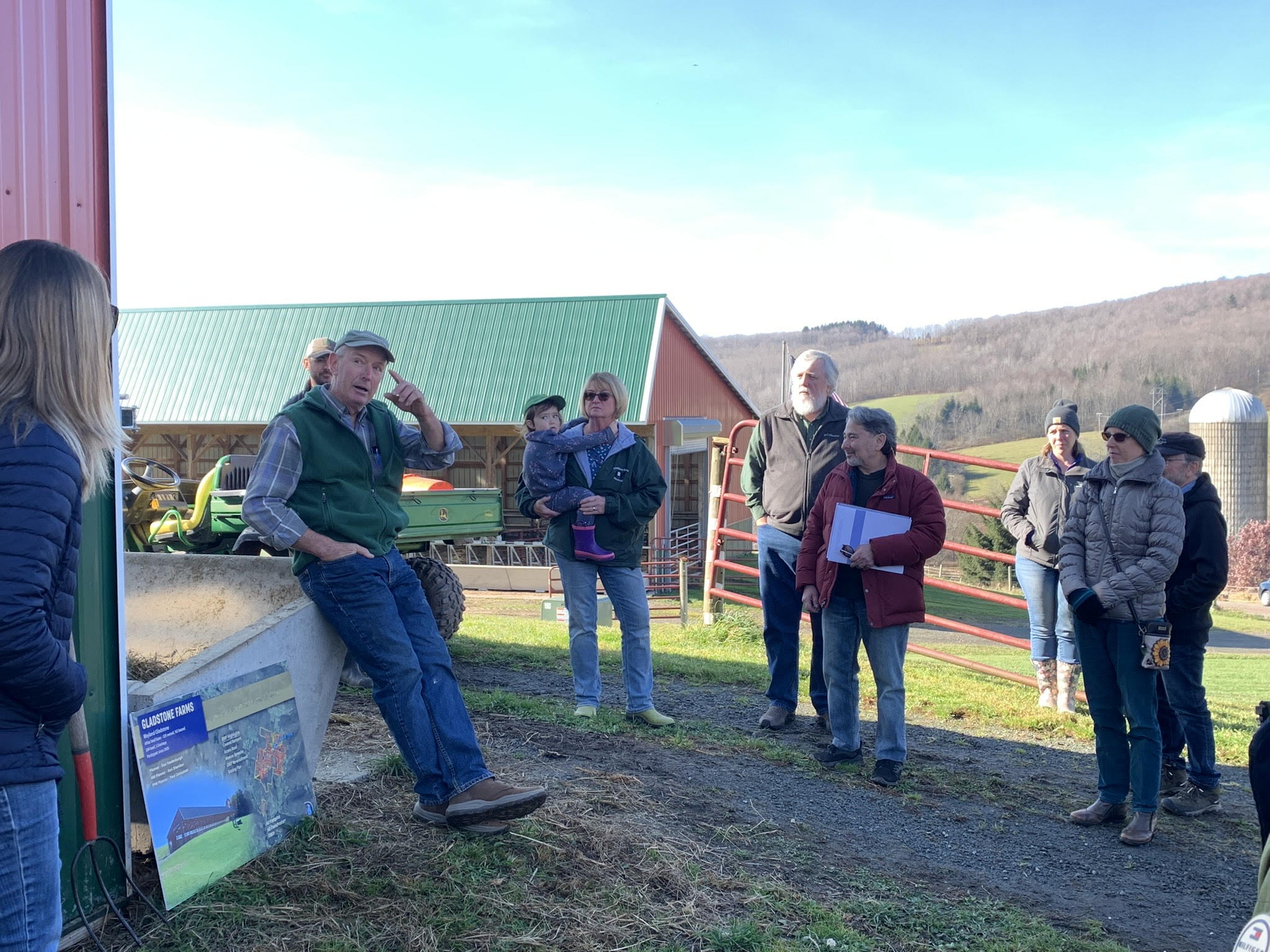
ADDRESSING CLIMATE CHALLENGES IN THE NYC WATERSHED: WORKSHOP RECAP
March 11, 2024
A workshop for the launch of the project Addressing Climate Challenges to Agriculture and Water Quality in the NYC Watershed took place November 15-16, 2023 at the Catskill Watershed Corporation in Arkville, New York. A full workshop report will be available in the coming months…
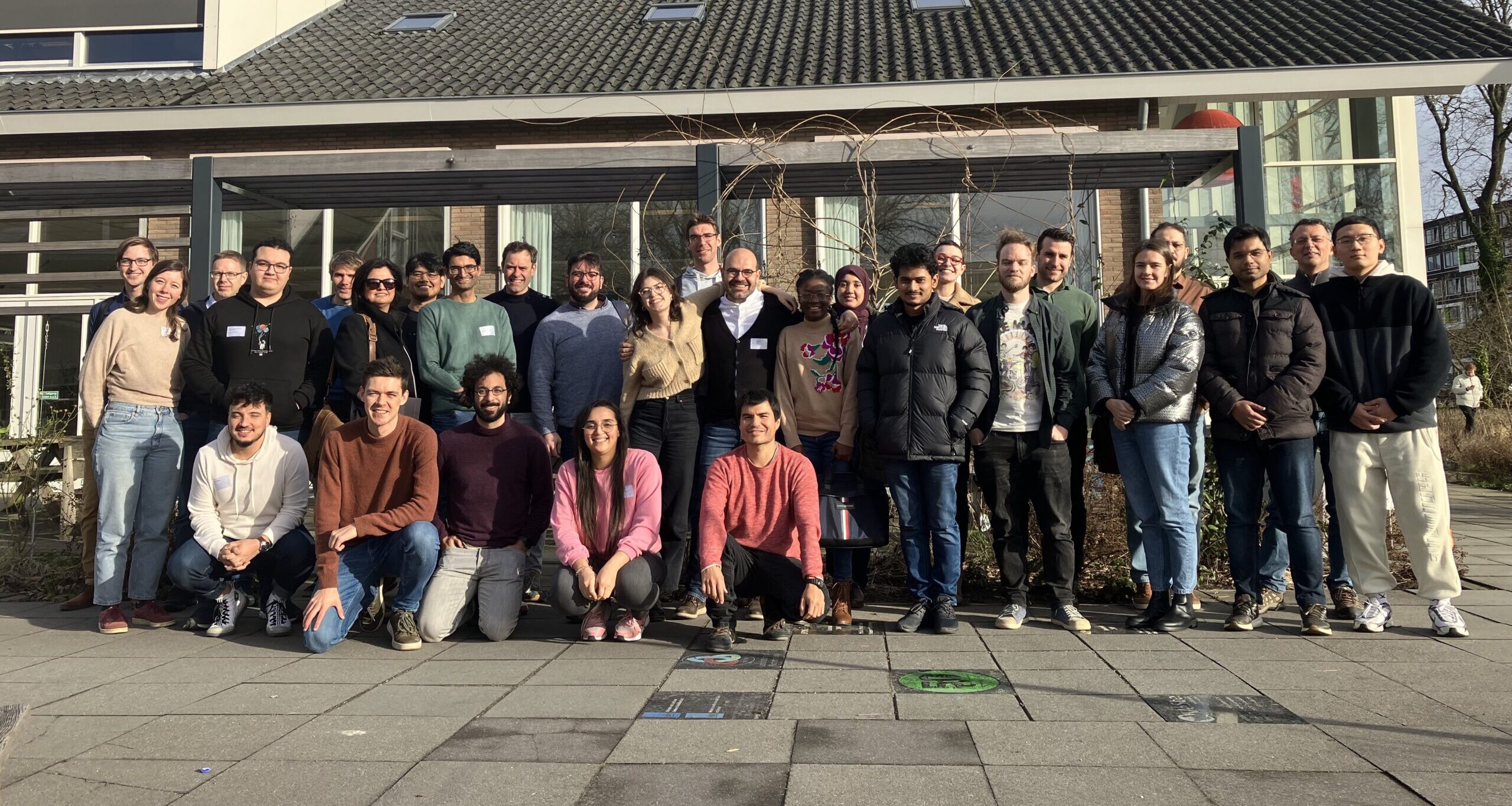
INTERNATIONAL COMMUNITY ON AI FOR AGRICULTURAL MODELING LAUNCHED IN WAGENINGEN
Feb 14, 2024
In a groundbreaking gathering in late January in Wageningen, experts and researchers from around the world celebrated the launch of the first-ever AgML workshop aimed at advancing the use of machine learning for agricultural modeling. This is the beginning of an important international collaboration…
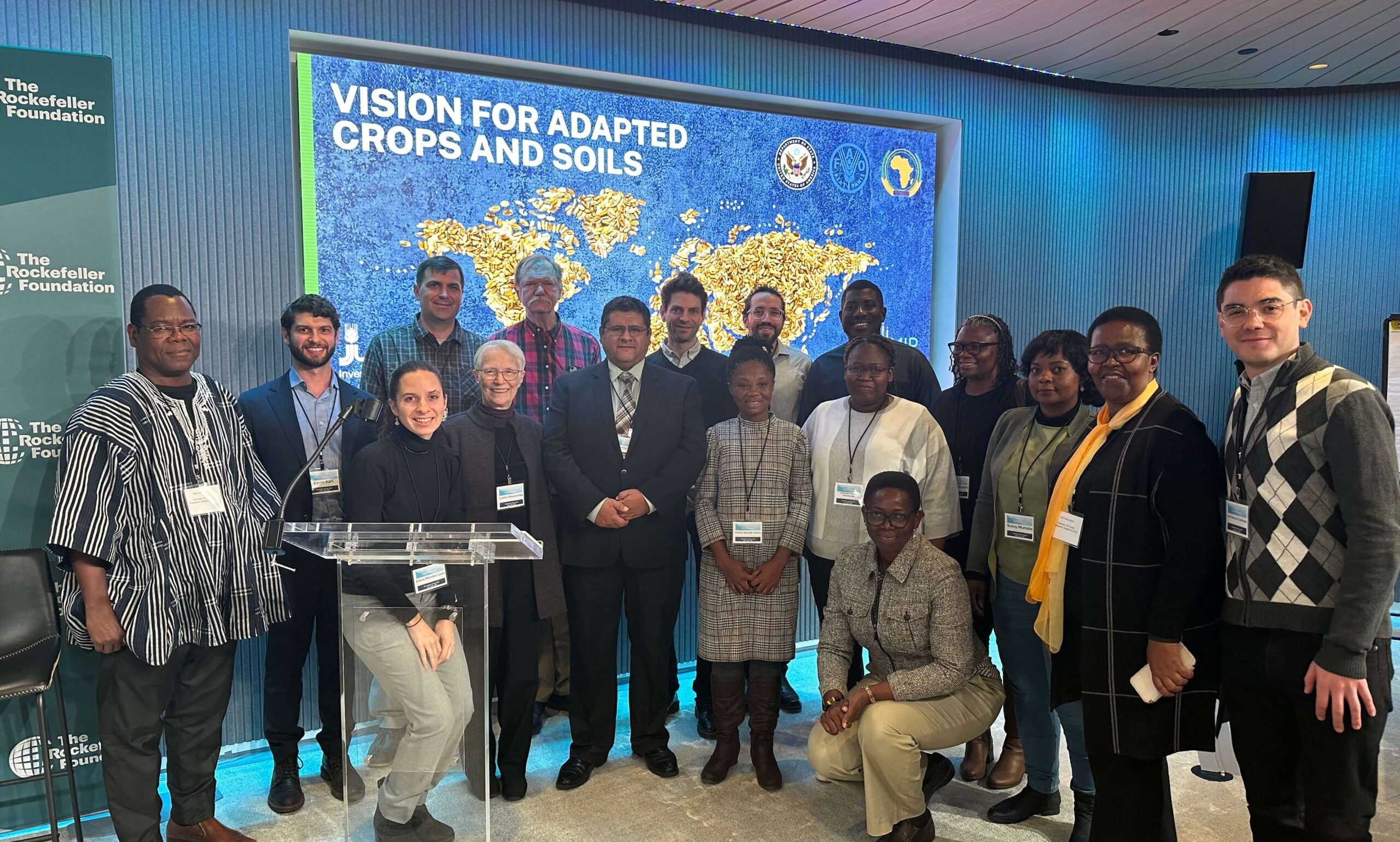
VISION FOR ADAPTED CROPS AND SOILS (VACS): PHASE 2 WORKSHOP RECAP
Jan 17, 2024
The VACS Phase 2 Workshop took place November 28-29, 2023 at the Rockefeller Foundation Global Headquarters in New York City, U.S. Participants included stakeholders from all key project partners, and were mainly composed of African agricultural experts from across the continent…
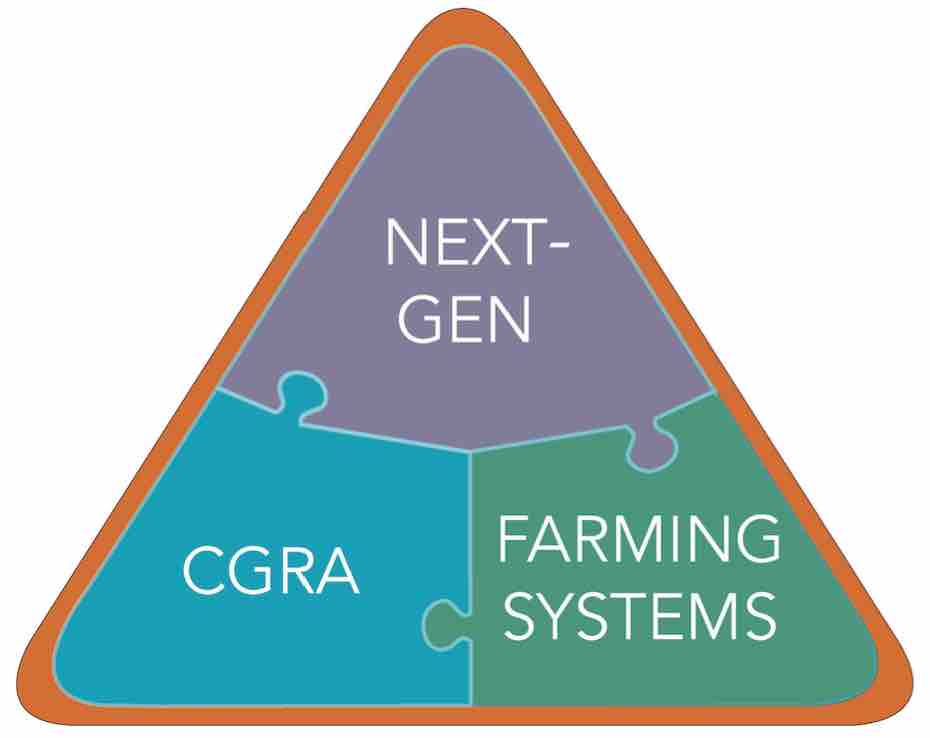
Research Approach
AgMIP research aims to substantially advance our understanding of model strengths, weaknesses, and uncertainty while also developing new approaches including data integration and transdisciplinary modeling frameworks…read more
Research Teams
Experts come together to advance crop studies, research methods, and other topics that are critical to understanding how agriculture and food systems will respond to climate and other factors now and in the future. Learn more about our 30+ teams.
Research Sites and Regions
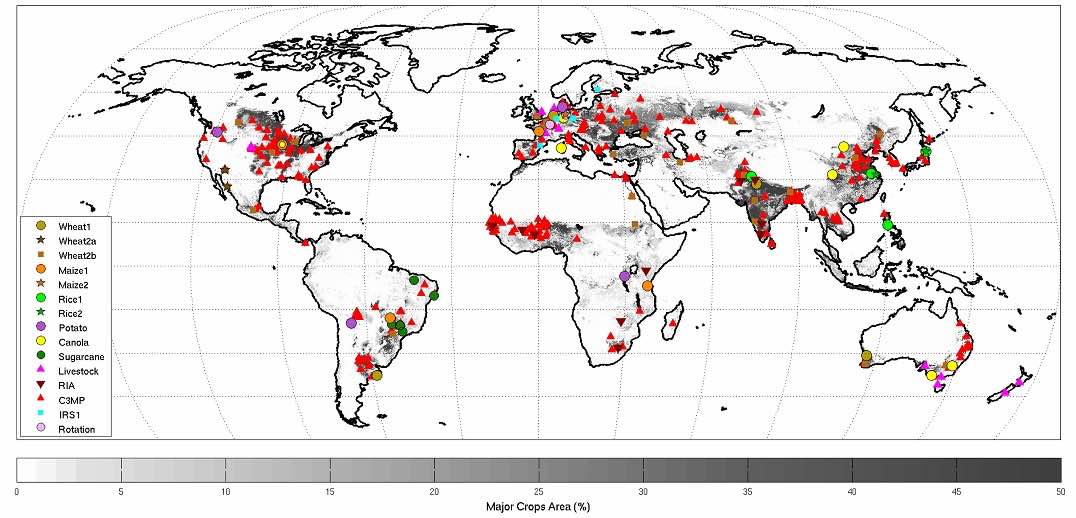
Sites evaluated in AgMIP assessments, plotted with major agricultural area (gray shading). figure and description of AgMIP studies provided in Ruane et al. 2017.